One side effect of political division in the states — blue states getting bluer and red states getting redder — is that some policies don't have a chance of getting passed by partisan state legislatures, even if a majority of voters back them.
But a left-leaning advocacy group called the Fairness Project has created a playbook for using ballot initiatives to go around GOP-led state legislatures.
Since 2016, it has backed successful initiatives to raise the minimum wage and expand Medicaid in at least nine states run entirely or mostly by Republicans at the time of the vote. (It also works in Democratically led states.)
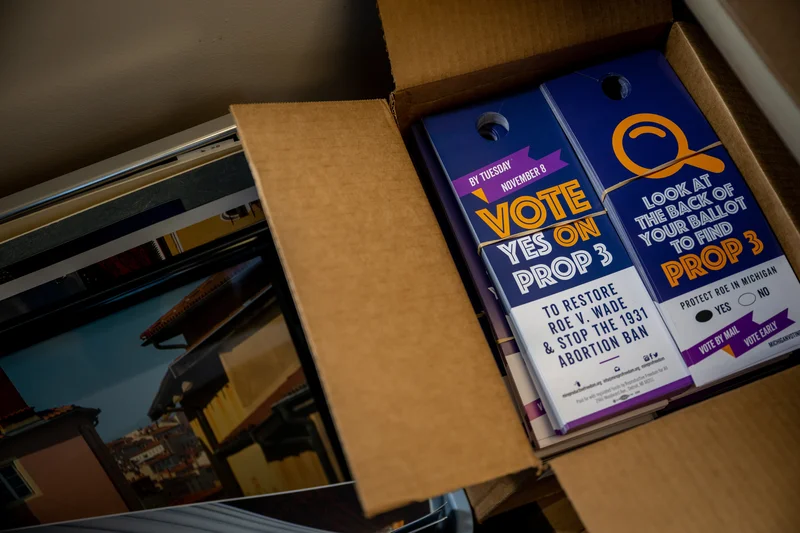
Now, it's one of several groups gearing up to put abortion rights on the ballot in 2024. But the recent success of such measures in Republican-led states has drawn criticism from lawmakers and helped fuel a raft of attempts to curb ballot measures.
Ballot measures are expensive and time-consuming
When Missouri-based minimum wage advocates wanted to run a statewide ballot initiative in 2017, they turned to the Fairness Project.
"We're sort of figuring things out as we go, and the Fairness Project is a particular expert on this tactic," says Missouri Jobs with Justice political director Richard Van Glahn.
After wins at the ballot, abortion rights groups want to 'put this to the people'
POLITICS
After wins at the ballot, abortion rights groups want to 'put this to the people'
Kansas City and St. Louis had tried hiking their minimum wages, but those efforts were overruled by state lawmakers. A ballot initiative would raise the minimum wage across the state — if voters approved it.
But winning takes "more than just motivated people with clipboards," says Kelly Hall, executive director of the Fairness Project.
Protesters rally outside of a Hardee's restaurant on Feb. 13, 2017, in St Louis, Mo., in support of raising the minimum wage.
Jeff Curry/Getty Images
Citizen-initiated ballot measures to change laws or state constitutions are possible in nearly half of U.S. states. To qualify for the ballot, petitions must gather thousands of signatures. Some campaigns then spend tens of millions of dollars to raise awareness among voters.
The high cost of campaigns often means they can act as policy vehicles for corporate interests, such as apps employing gig workers or sports betting companies.
The Fairness Project, the brainchild of a California-based health care workers union, was created with the idea of using ballot measures to address quality-of-life issues, SEIU-UHW president Dave Regan tells NPR.
"We need to speak to the common good," he says.
Comments
Post a Comment